Good eyesight is important for learning, working, driving, and enjoying everyday life. From young children discovering the world to older adults managing age-related vision changes, every family member deserves proper attention to their eye health. Making family health eye care a regular part of your household routine can help you recognize potential problems early, develop healthy habits, and protect your family’s vision over time.
Many people visit an eye doctor only when they experience blurred vision, headaches, or eye discomfort. However, some eye conditions develop slowly without noticeable symptoms. Regular eye examinations, balanced nutrition, proper eye protection, and healthy screen habits can all contribute to better vision care.
The good news is that protecting your family’s eyesight does not have to be complicated. A few practical changes can help children, adults, and seniors take better care of their eyes. In this guide, we will explore essential eye care habits, common vision problems, preventive measures, and ways to make eye health a priority for the entire family.
What Is Family Health Eye Care?
Family health eye care involves the habits, examinations, and professional services that help maintain healthy vision for people of different ages. It includes preventing eye injuries, identifying vision changes, managing existing eye conditions, and understanding when medical attention is necessary.
Each family member has unique needs. Children may require vision assessments to support their learning and development. Adults might need prescription glasses for reading, computer work, or driving. Older adults may need regular monitoring for conditions such as cataracts, glaucoma, and age-related macular degeneration.
A family-focused approach makes it easier to address these differences rather than treating eye care as an occasional concern.
Good vision care also involves communication. Parents should pay attention to children’s visual behavior, adults should not ignore persistent eye discomfort, and families should help older relatives attend recommended examinations.
By making eye health part of everyday wellness, households can take a more proactive approach to protecting their eyesight.
Why Is Family Eye Health Important?
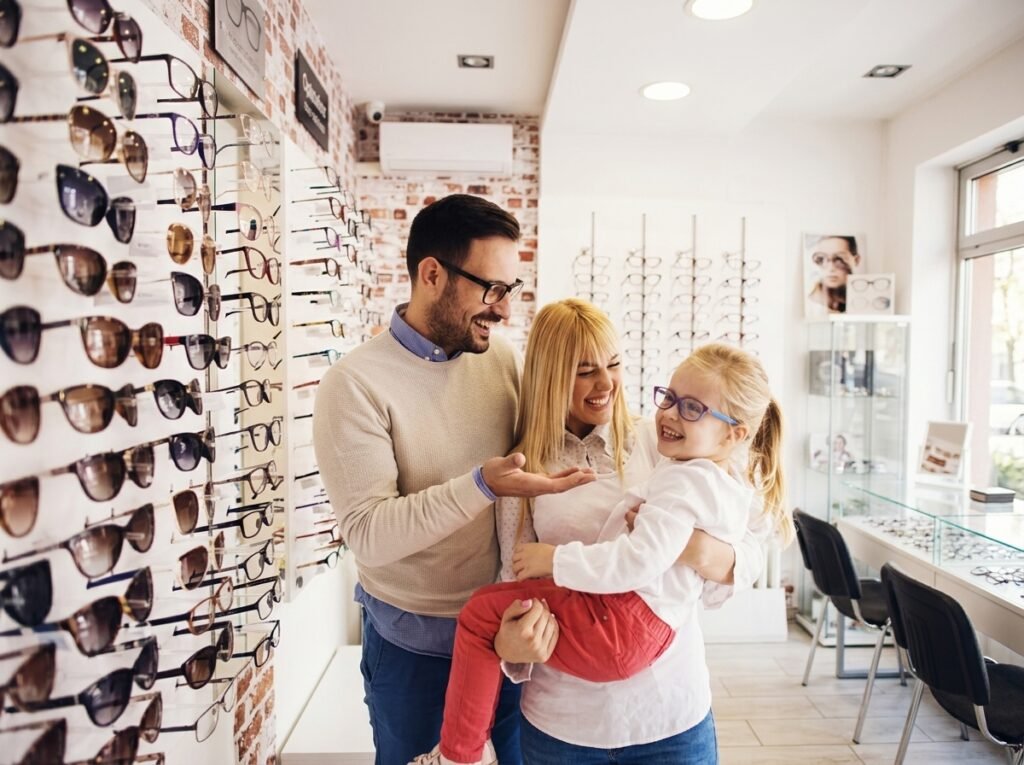
Family eye health matters because vision affects almost every part of daily life. Children use their eyesight to read, recognize objects, participate in sports, and interact with others. Adults depend on clear vision for work and household responsibilities, while seniors often rely on their eyesight to remain independent and move around safely.
Ignoring vision problems can make these activities more difficult. For example, an undetected refractive error may affect a child’s classroom performance, while an untreated eye condition may gradually interfere with an adult’s ability to drive or read comfortably.
Routine eye care can provide several benefits:
- Early identification: Eye examinations can detect certain vision problems and diseases before obvious symptoms appear.
- Better learning: Identifying childhood vision difficulties can help children receive appropriate treatment or corrective lenses.
- Everyday comfort: Suitable prescriptions and healthy screen habits may reduce visual discomfort.
- Improved safety: Appropriate eye protection helps reduce the risk of injuries at home, during sports, and at work.
- Healthy aging: Monitoring eye health can help older adults manage age-related changes and maintain their quality of life.
Although not every eye condition can be prevented, regular care helps families make informed decisions about their vision.
Family Eye Care for Children
Children’s eyesight develops as they grow, so paying attention to their visual health is especially important. Young children may not understand that their vision is blurry because they have no experience to compare it with.
Parents should watch for signs such as frequent squinting, rubbing the eyes, sitting very close to the television, holding books unusually close, or complaining of headaches after reading. A child who frequently loses their place while reading or struggles with visually demanding schoolwork may also benefit from an eye assessment.
These behaviors do not automatically mean a child has an eye problem, but persistent concerns should not be ignored.
Schedule Appropriate Eye Examinations
Vision screening at school or during routine healthcare visits can help identify children who may need further assessment. However, screening is not the same as a comprehensive eye examination.
If a screening identifies a concern, or if parents notice symptoms, a qualified eye care professional can determine whether additional testing is needed. Children with existing vision problems, certain medical conditions, or a family history of eye disease may require more frequent examinations.
Encourage Outdoor Activities
Spending time outdoors is beneficial for children’s general health and may help reduce the risk of developing nearsightedness. Encourage activities such as walking, cycling, playing sports, or visiting a park.
Children should also protect their eyes from excessive sunlight by wearing sunglasses that provide appropriate UVA and UVB protection.
Develop Healthy Screen Habits
Digital devices are common in children’s lives, but prolonged near work can contribute to temporary eye strain and discomfort. Encourage regular breaks, comfortable screen distances, suitable lighting, and time away from devices.
The 20-20-20 rule is one simple strategy: after every 20 minutes of screen use, look at an object approximately 20 feet away for at least 20 seconds.
Essential Eye Care Tips for Adults
Adults often have busy schedules filled with work, family responsibilities, and other commitments. As a result, routine eye examinations may be postponed until a problem becomes noticeable.
However, clear eyesight does not necessarily mean that every aspect of eye health is normal. Some eye diseases can develop without obvious early warning signs.
Adults should schedule comprehensive eye examinations according to their age, medical history, risk factors, and eye care professional’s recommendations. Anyone with diabetes, high blood pressure, a family history of certain eye diseases, or existing vision problems may need additional monitoring.
People who wear prescription glasses or contact lenses should ensure their prescriptions remain appropriate for their needs. Persistent blurred vision, frequent headaches, or difficulty seeing clearly may indicate that an examination is necessary.
Workplace habits also matter. If you spend several hours using a computer, position the screen comfortably, reduce glare, blink regularly, and take short breaks throughout the day. These measures may help relieve digital eye strain.
Protecting Eye Health as You Age
Vision needs can change with age. Older adults may experience difficulty reading small print, adjusting to low light, or seeing clearly at night. While some changes are common, not every vision problem should be considered a normal part of aging.
Several conditions become more common as people grow older.
Cataracts cause clouding of the eye’s natural lens and may lead to blurred vision, glare, or difficulty seeing at night.
Glaucoma can damage the optic nerve and may cause permanent vision loss. Certain forms develop gradually without noticeable symptoms during the early stages.
Age-related macular degeneration affects the central part of the retina and can make reading, recognizing faces, and seeing fine details more difficult.
Diabetic eye disease can damage the blood vessels in the retina and may threaten vision if not properly monitored and managed.
Regular comprehensive eye examinations help identify these and other conditions. Family members can support older relatives by arranging transportation to appointments, improving lighting around the home, and helping them follow their prescribed treatment plans.
If an older adult reports sudden or significant vision changes, seek prompt medical attention instead of assuming the problem is age-related.
Nutrition and Its Role in Healthy Vision
A balanced diet supports the body’s overall health, including the eyes. Although no single food can guarantee perfect vision, eating a variety of nutrient-rich foods is a sensible part of family health eye care.
Several nutrients play important roles in normal eye function.
Vitamin A
Vitamin A helps maintain normal vision and the surface of the eyes. Food sources include eggs, dairy products, carrots, and dark green leafy vegetables.
Vitamin C
Vitamin C is an antioxidant found in citrus fruits, guava, strawberries, and bell peppers. Including these foods in family meals supports overall health.
Vitamin E
Nuts, seeds, and certain vegetable oils provide vitamin E, which helps protect cells from oxidative damage.
Omega-3 Fatty Acids
Oily fish, including salmon and sardines, provide omega-3 fatty acids. These fats support normal body functions and may be helpful for some people with dry-eye symptoms.
Lutein and Zeaxanthin
These carotenoids are found in foods such as spinach, kale, and other leafy green vegetables. They are concentrated in the retina and play a role in protecting eye tissues.
Families can make healthy eating easier by including different fruits, vegetables, whole grains, fish, and other suitable protein sources in their weekly meals. Eye supplements are not necessary for everyone, so consult a healthcare professional before using them for a specific eye health concern.
Prevent Eye Injuries at Home and Work
Eye injuries can happen unexpectedly, whether someone is preparing food, cleaning the house, playing sports, or working with machinery. Taking simple precautions can reduce many avoidable risks.
Use suitable protective eyewear during activities involving flying debris, chemicals, dust, sparks, or possible impacts. Regular prescription glasses are not necessarily designed to protect against these hazards.
For hazardous jobs, choose safety eyewear appropriate for the specific workplace risks and applicable safety standards. Employees who require vision correction can ask about prescription safety glasses that combine corrective lenses with suitable protective features.
At home, keep cleaning chemicals away from children, follow product instructions, and avoid mixing household cleaning products. Use appropriate eye protection when an activity presents a risk of splashes or flying particles.
Outdoor protection is equally important. Sunglasses labeled for 100% UVA and UVB protection can help reduce exposure to harmful ultraviolet radiation. A hat with a brim provides additional protection in bright sunlight.
These precautions help families protect their eyes during everyday activities without making eye care unnecessarily complicated.
Managing Digital Eye Strain
Digital eye strain has become a common concern as families spend more time using smartphones, tablets, computers, and televisions. Long periods of close-up screen use may cause tired eyes, dryness, temporary blurred vision, headaches, and difficulty focusing.
These symptoms are often related to how long and how closely someone looks at a screen rather than to permanent eye damage.
To improve comfort, try the following habits:
- Take frequent breaks from close-up work.
- Keep screens at a comfortable distance.
- Adjust text size so reading does not require squinting.
- Reduce reflections from windows and overhead lighting.
- Blink regularly to help keep the eyes moist.
- Maintain comfortable room lighting while using digital devices.
- Avoid holding phones or tablets very close to the face.
Children should have a healthy balance of screen-based activities, outdoor play, sleep, and other interests.
If eye discomfort continues despite these adjustments, arrange an eye examination. An outdated prescription, dry eye, or another condition may require professional assessment.
When Should Your Family Visit an Eye Doctor?
The right examination schedule depends on age, symptoms, medical conditions, and individual risk factors. Children may need age-appropriate screening and additional assessments when concerns arise. Adults and seniors should follow recommendations from a qualified eye care professional.
Do not wait for a routine appointment if someone experiences sudden vision loss, severe eye pain, a sudden increase in flashes or floaters, or a dark shadow across their vision. These symptoms can indicate a serious problem that requires emergency evaluation.
Chemical exposure to the eye also needs immediate action. Begin rinsing the affected eye with plenty of clean, lukewarm running water and seek urgent medical guidance. Do not delay rinsing while arranging care.
Persistent redness, unusual sensitivity to light, recurring blurred vision, and ongoing eye discomfort also deserve professional attention.
An optometrist can provide many routine vision and eye health services. An ophthalmologist is a medical doctor specializing in eye care who can diagnose and treat eye diseases and perform eye surgery. The appropriate professional depends on the symptoms and care required.
How to Create a Family Eye Health Routine
Building a consistent routine makes it easier to manage everyone’s vision needs. You do not need expensive products or a complicated schedule to get started.
First, review when each family member last had an eye examination. Arrange appointments for anyone who needs one, especially those experiencing new symptoms or living with conditions that can affect the eyes.
Next, encourage habits that support healthy vision. Prepare balanced meals, provide opportunities for outdoor activity, take regular breaks from screens, and use appropriate protective eyewear during risky activities.
Parents can help children develop these habits by following them as well. Older relatives may appreciate assistance with transportation, appointment reminders, and understanding their care instructions.
Keeping a simple record of eye examinations, prescriptions, symptoms, and follow-up recommendations can also help the family stay organized.
Most importantly, treat eye care as a continuing part of preventive healthcare rather than something to consider only when vision becomes uncomfortable.
Conclusion
Family health eye care is an important part of maintaining your household’s overall well-being. Children need support as their vision develops, adults benefit from preventive examinations and healthy daily habits, and older family members may require closer monitoring for age-related eye conditions.
A balanced diet, appropriate eye protection, regular screen breaks, and professional eye examinations can all contribute to healthier vision. Recognizing unusual symptoms and seeking timely medical attention are equally important.
By making family eye health a shared priority, you can help every family member develop better habits and make informed decisions about their vision. Small, consistent steps today can support comfort, safety, and quality of life for years to come.